How to Choose the Right Magnetic Drill for Heavy-Duty Metal Fabrication
Understanding Magnetic Drills for Heavy-Duty Metal Fabrication
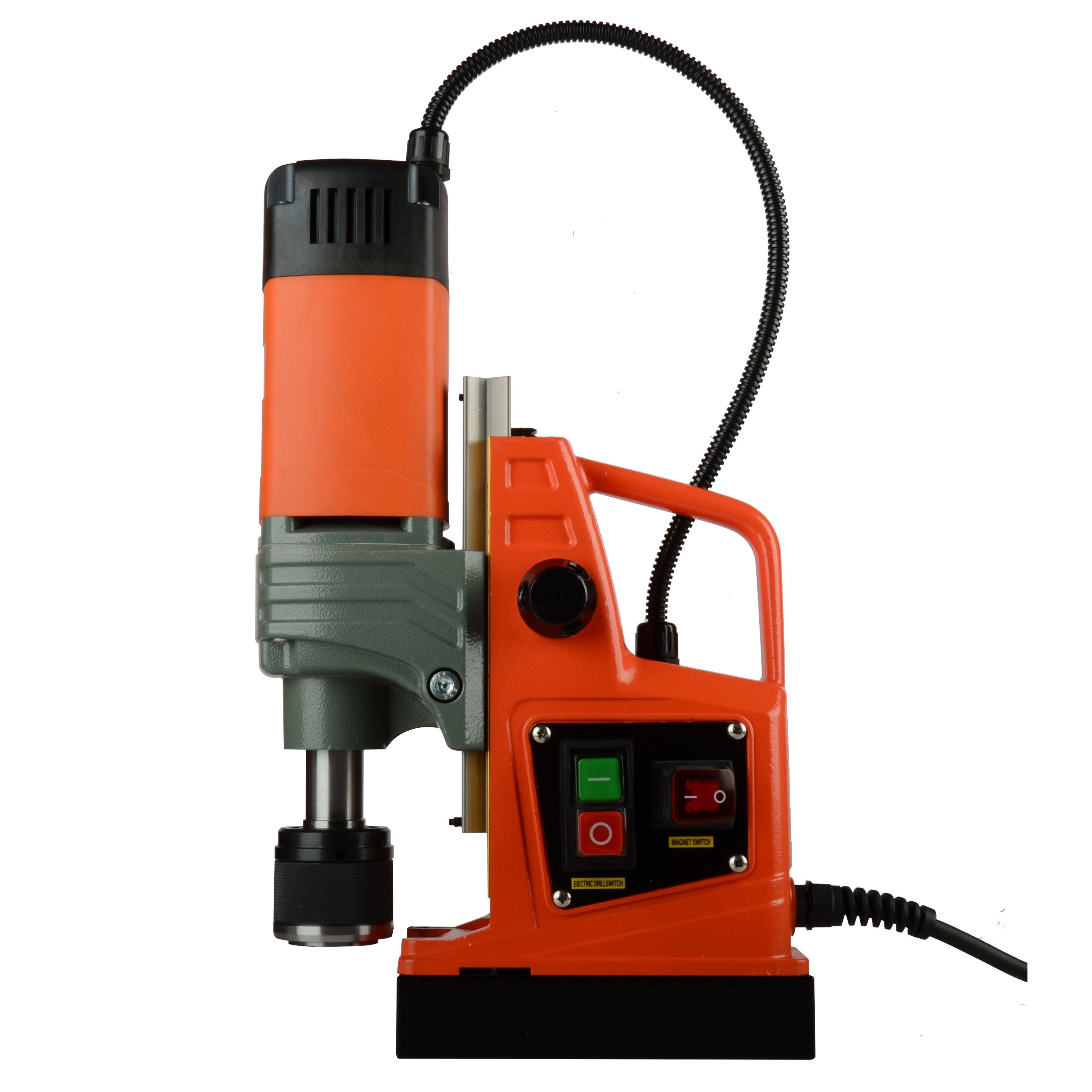
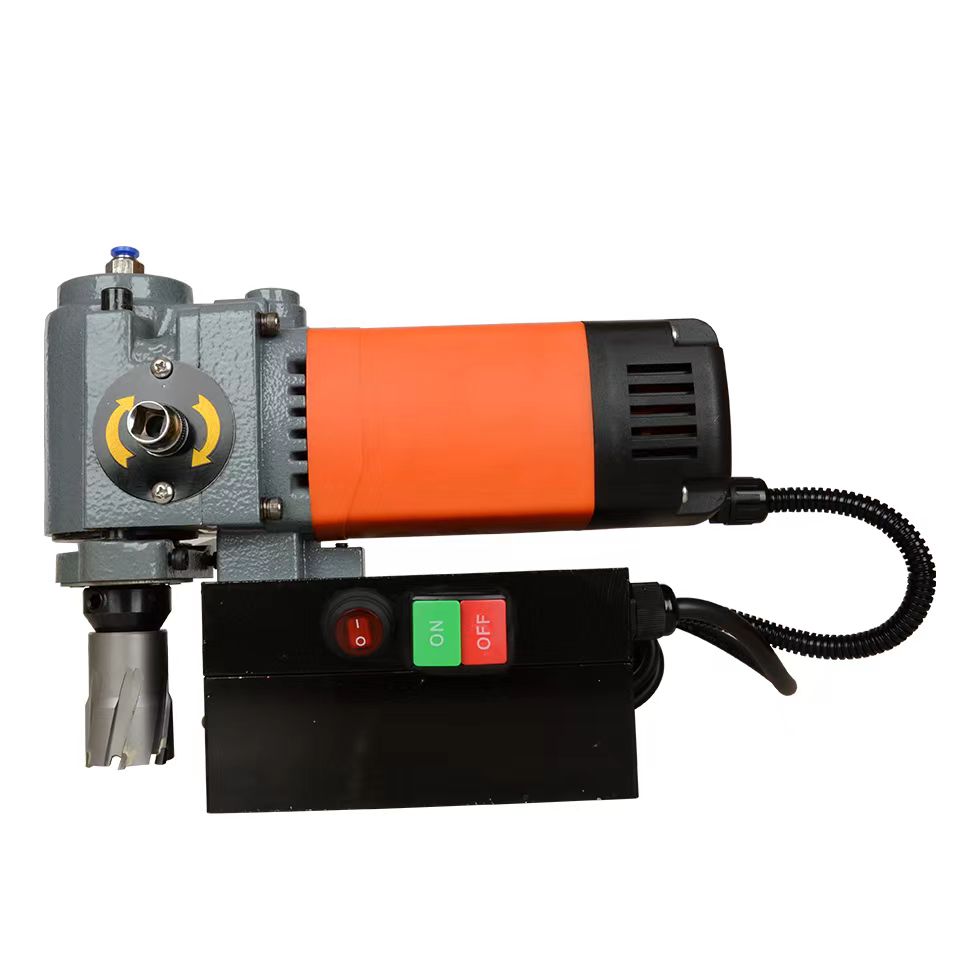
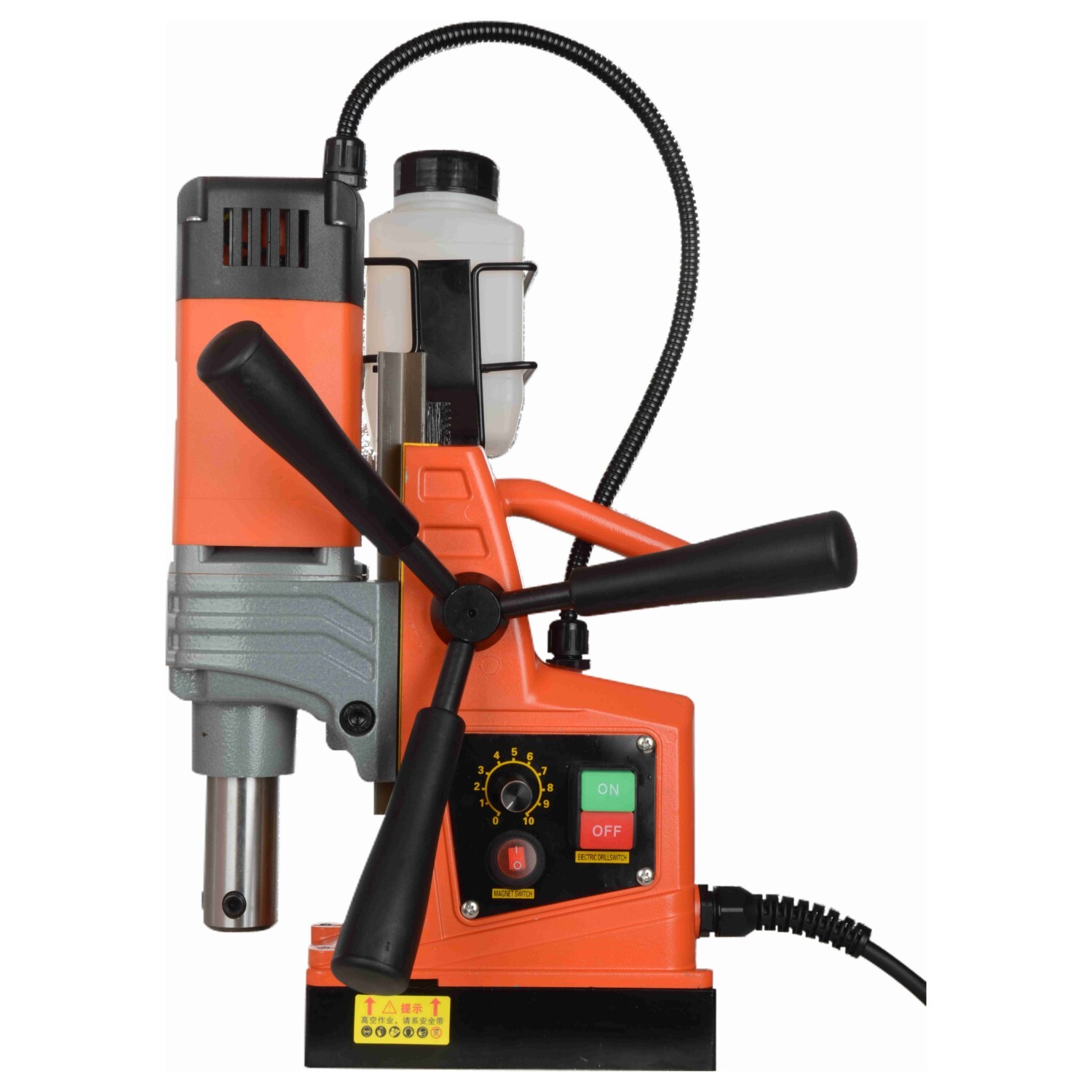
Selecting the right magnetic drill like the VD50 or VD338 is critical for heavy-duty metal fabrication efficiency and safety. As operators and quality control professionals know, a high-performance magnetic drill ensures precision drilling while meeting strict workplace safety standards. This guide explores key factors to consider when choosing industrial-grade magnetic drilling equipment for demanding applications.
Key Performance Factors in Magnetic Drill Selection
When evaluating magnetic drills for industrial applications, several technical specifications directly impact operational performance:
For vertical drilling applications requiring precision, the Z5040A offers a robust solution with its 40mm maximum drilling diameter and MT4 spindle taper, particularly suitable for structural steel work.
Safety Considerations for Operators and QC Personnel
Safety management in metal fabrication requires magnetic drills with:
- Automatic power-off when magnetic adhesion drops below 70% of rated capacity
- Overload protection that triggers at 110-120% of rated current
- Emergency stop buttons within 0.5m reach of operating positions
- Vibration levels below 2.5 m/s² for 8-hour exposure limits
Common Safety Oversights in Drill Selection
Many facilities underestimate these critical factors:
- Insufficient magnetic force for vertical or overhead applications (minimum 18kN recommended)
- Lack of thermal protection for continuous operation beyond 30 minutes
- Inadequate chip management systems increasing fire hazards
Workpiece Compatibility and Setup Requirements
Material thickness and composition significantly impact magnetic drill performance:
For operations requiring frequent adjustments between different material thicknesses, consider models with 560mm maximum adjustment range like the Z5040A, which provides flexibility across various fabrication scenarios.
Maintenance and Operational Efficiency Factors
Proper maintenance protocols can extend magnetic drill lifespan by 40-60%:
- Daily inspection of carbon brushes (replace at 5mm remaining length)
- Monthly magnetic surface cleaning with non-abrasive solutions
- Quarterly bearing lubrication with high-temperature grease
- Annual professional calibration of magnetic flux sensors
Calculating Total Cost of Ownership
Beyond initial purchase price, consider:
- Tooling costs (annular cutters vs. twist drills)
- Energy consumption (2.2-3.5 kW typical range)
- Downtime for maintenance (15-30 hours annually)
- Operator training requirements (8-16 hours initially)
Frequently Asked Questions
How often should magnetic drill components be replaced?
Typical replacement intervals for heavy-use scenarios:
- Carbon brushes: 150-200 operating hours
- Drive belts: 500-700 hours
- Coolant pumps: 3-5 years
- Magnetic coils: 7-10 years
What's the minimum steel thickness for effective magnetic adhesion?
While 6mm is technically possible, we recommend:
- 8mm minimum for horizontal drilling
- 12mm minimum for vertical/overhead work
- 16mm minimum for high-torque applications
Conclusion and Next Steps
Selecting the optimal magnetic drill requires balancing technical specifications, safety features, and operational requirements. For facilities handling diverse metal fabrication projects, versatile solutions like the VD series or Z5040A provide the necessary combination of precision, power, and adaptability.
Contact our engineering team for a customized equipment assessment based on your specific material types, production volumes, and safety standards. We'll help you identify the most cost-effective solution that meets both your technical requirements and workplace compliance needs.
How often should magnetic drill components be replaced?
Carbon brushes: 150-200 operating hours
Drive belts: 500-700 hours
Coolant pumps: 3-5 years
Magnetic coils: 7-10 years
What's the minimum steel thickness for effective magnetic adhesion?
8mm minimum for horizontal drilling
12mm minimum for vertical/overhead work
16mm minimum for high-torque applications

Vedon
Typically replies within minutes
Any questions related to Home?

William / CEO / Brand Founder

Elaine / Sales Manager

Jessica / Sales Manager