Essential CNC and VMC Machine Knowledge: The Ultimate B2B Sourcing Guide
In the rapidly evolving landscape of global manufacturing and industrial automation, optimizing production efficiency while minimizing capital expenditure is the ultimate goal for production managers, procurement specialists, and factory owners. Choosing the right machinery is no longer just a technical decision—it is a critical financial and operational strategy.
For overseas B2B buyers sourcing equipment from international markets, understanding the intricate technical parameters of modern machining setups is essential to eliminating costly sourcing bottlenecks and avoiding operational downtime. This comprehensive blueprint serves as your definitive guide to technical specifications, industry applications, and procurement strategies for precision manufacturing.
1. Introduction: Modern Industrial Automation and Market Trends
The global manufacturing sector is undergoing a massive shift toward high-precision, low-labor, and fully automated workflows. At the heart of this revolution are advanced machining systems that execute complex cutting, milling, and drilling operations with sub-micron accuracy. For sourcing managers, failing to keep pace with these technological shifts means running the risk of investing in legacy systems that yield lower throughput and higher operating costs.
To fully grasp where industrial manufacturing is heading and how modern machinery minimizes labor dependencies, read our deep-dive analysis on [The Evolution of CNC and VMC Machinery: Modern Trends in Industrial Automation].
2. Technical Cores, Frameworks, and Classifications
Defining the Machining Standards
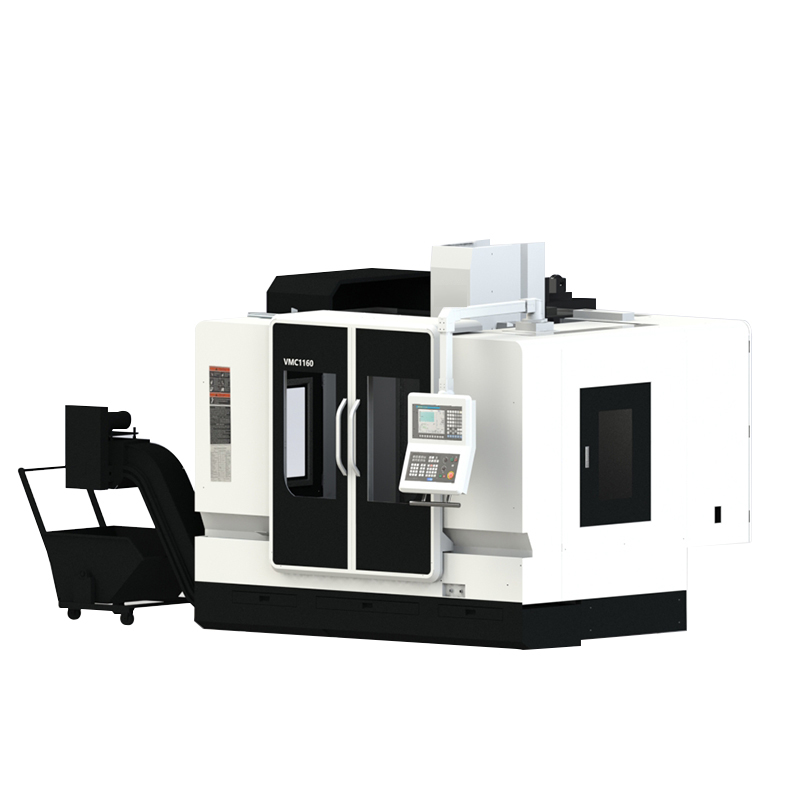
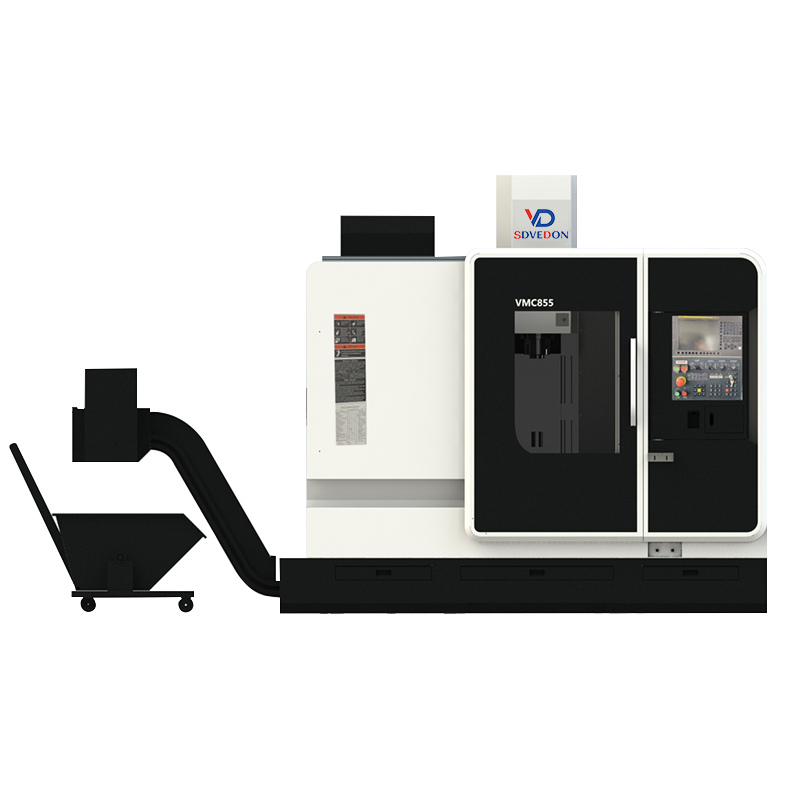
To establish a seamless supply chain, procurement professionals must understand both broad conceptual classifications and specific machine architectures. "CNC" (Computer Numerical Control) is an umbrella term encompassing any machine controlled by a computer, while a "VMC" (Vertical Machining Center) represents a highly specialized, advanced subset of CNC machinery featuring a vertically oriented spindle.
For a side-by-side technical evaluation of axis movements, rigidity, and cost structures, explore our comprehensive buyer manual: [CNC vs VMC Machine: Clarifying the Core Technical Differences for Buyers].
Comparative Technical Analysis: CNC vs. VMC
Understanding Machine Kinematics and Component Axes
Modern workshops scale their operations by selecting the appropriate mechanical axis configurations. While standard 3-axis machines move along the X, Y, and Z planes, highly complex components require additional rotary axes (A and B axes) to eliminate multiple manual setups.
Discover how different multi-axis configurations impact your floor efficiency and surface finish by visiting: [A Guide to Multi-Axis CNC and VMC Machining Center Classifications].
3. Tooling, Mechanics, and Precision Optimization
Spindle Dynamics and Machining Kinetics
The performance of any vertical machining center depends heavily on its spindle dynamics. Spindle speeds and feed rates determine the material removal rate (MRR) and directly impact tool wear. B2B buyers must match spindle motor torque and RPM limits with the specific properties of the materials they plan to process.
For engineering teams looking to balance tool longevity with high-speed manufacturing throughput, review our technical execution guide: [Optimizing Spindle Speeds and Feed Rates in CNC and VMC Machining].
Tooling Systems and Finish Consistency
A premium spindle is only as good as the tooling infrastructure supporting it. Selecting appropriate tool holders (such as BT30, BT40, or HSK series) and configuring efficient Automatic Tool Changers (ATC) prevents vibration, minimizes deflection, and guarantees high-precision output.
For a detailed breakdown of tool interfaces, carousel capacities, and holder geometry selection, refer to: [Selecting the Right CNC and VMC Tooling Systems for Precision Output].
4. Industry-Specific Sourcing Solutions
Automotive Manufacturing Components
The automotive sector demands rapid cycle times, high volume repeatability, and strict adherence to geometric dimensioning and tolerancing (GD&T). Sourcing the right vertical machining centers allows automotive suppliers to consistently manufacture engine blocks, transmission cases, and custom brackets.
To analyze actual factory configurations, spindle configurations, and custom fixture systems for Tier-1 automotive suppliers, see: [How to Implement CNC and VMC Machine Solutions in Automotive Parts Manufacturing].
Aerospace Components and Precision Mold Making
Aerospace components often use exotic materials like titanium and Inconel, which require high-rigidity machine beds and exceptional thermal stability. Similarly, the mold and die industry requires ultra-smooth surface finishes to reduce post-processing manual polishing.
For rigid machine bed selections, heavy torque configurations, and thermal compensation technologies, read: [Sourcing a Heavy-Duty CNC and VMC Machine for Aerospace and Mold Making].
5. B2B Sourcing, Procurement Capital, and ROI Frameworks
The Global Procurement Checklist
Sourcing industrial machinery from international suppliers requires careful, multi-step validation. Procurement managers must navigate technical parameters, factory compliance audits, international shipping standards, and localized installation support.
To protect your capital investment and cross-reference crucial mechanical requirements before finalizing contracts, use our blueprint: [The Ultimate B2B Procurement Checklist for Buying a Used or New CNC and VMC Machine].
Financial Models: TCO and Return on Investment
The actual cost of industrial machinery extends far beyond its initial FOB purchase price. A reliable financial model must account for the Total Cost of Ownership (TCO), which includes freight charges, customs duties, continuous power consumption, and operator wages.
To calculate accurate capital amortization models and multi-year production yields for your stakeholders, review our framework: [Calculating the Total Cost of Ownership (TCO) and ROI for CNC and VMC Machinery].
6. Operational Longevity and Preventive Maintenance
High-precision industrial machinery requires consistent maintenance to prevent unexpected downtime. Component wear, coolant degradation, and spindle misalignment can compromise product quality and disrupt tight production schedules. Implementing structured, proactive maintenance schedules protects your workshop’s bottom line.
For complete access to daily operational checklists, structural lubrication points, and axis calibration schedules, follow: [The Daily Preventive Maintenance Guide for Extending CNC and VMC Machine Lifespan].
7. FAQ
FAQ 1: What is the main difference between a standard CNC machine and a VMC?
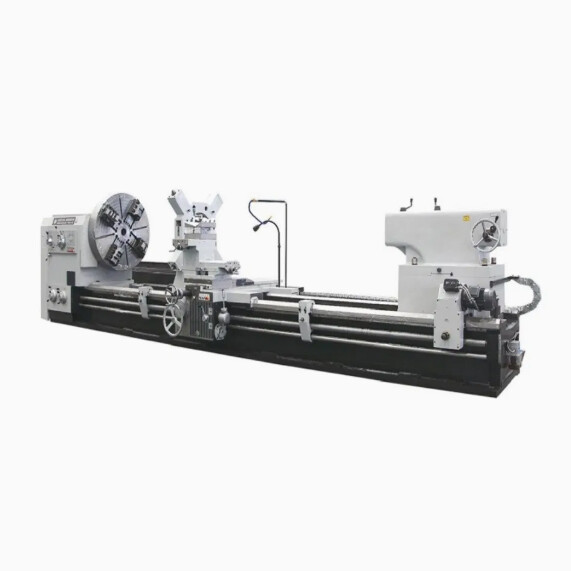
Answer: The primary difference lies in structural architecture and application depth. "CNC" refers broadly to any programmable automated machine tool, which includes lathes, plasma cutters, and horizontal mills. A "VMC" (Vertical Machining Center) is a specific type of CNC milling machine featuring a vertically oriented spindle and an Automatic Tool Changer (ATC). VMCs are designed to perform complex, multi-axis milling, drilling, and boring operations on raw blocks of metal or plastic without removing the workpiece from its fixtures.
FAQ 2: How often should preventive maintenance be performed on CNC & VMC machinery to avoid downtime?
Answer: Preventive maintenance must be performed across daily, weekly, monthly, and semi-annual schedules. Daily protocols require operators to check fluid levels, clean the guideways, and check the pneumatic pressure. Weekly protocols should focus on chip conveyor cleaning and filter inspections. Semi-annual or annual milestones require deep technical procedures, including axis backlash calibration, leveling alignment tests, and spindle retention force evaluations. Sticking to this schedule can cut unexpected factory downtime by up to 35%.
FAQ 3: Is it more cost-effective for a growing factory to buy a new or a used VMC machine?
Answer: The ideal choice depends on your technical precision requirements and available engineering resources. Buying a used VMC offers a lower upfront capital cost, but it can introduce hidden expenses due to component wear, expired manufacturer warranties, and a lack of post-purchase technical support. For growing factories scaling high-precision contracts, a new VMC is typically more cost-effective in the long run. New machines include modern CNC software, comprehensive factory warranties, low maintenance costs, and reliable aftermarket technical assistance, ensuring higher overall equipment effectiveness (OEE).

Vedon
Typically replies within minutes
Any questions related to Home?

William / CEO / Brand Founder

Vinson / Sales Director

Elaine / Sales Manager

Jessica / Sales Manager