How to Implement CNC and VMC Machine Solutions in Automotive Parts Manufacturing
In automotive parts manufacturing, implementing CNC and VMC machine solutions is essential for higher precision, faster production, and stable quality. Advanced CNC machine tools improve cycle time, repeatability, and process control.
When paired with intelligent manufacturing strategies, CNC and VMC machine solutions help reduce scrap, optimize tooling, and support flexible production. This article explains practical steps for successful implementation in automotive parts manufacturing.
What do CNC and VMC machine solutions mean in automotive parts manufacturing?
CNC refers to computer numerical control machining. VMC means vertical machining center. Together, they form a core production method for automotive parts manufacturing with controlled accuracy and repeatable output.
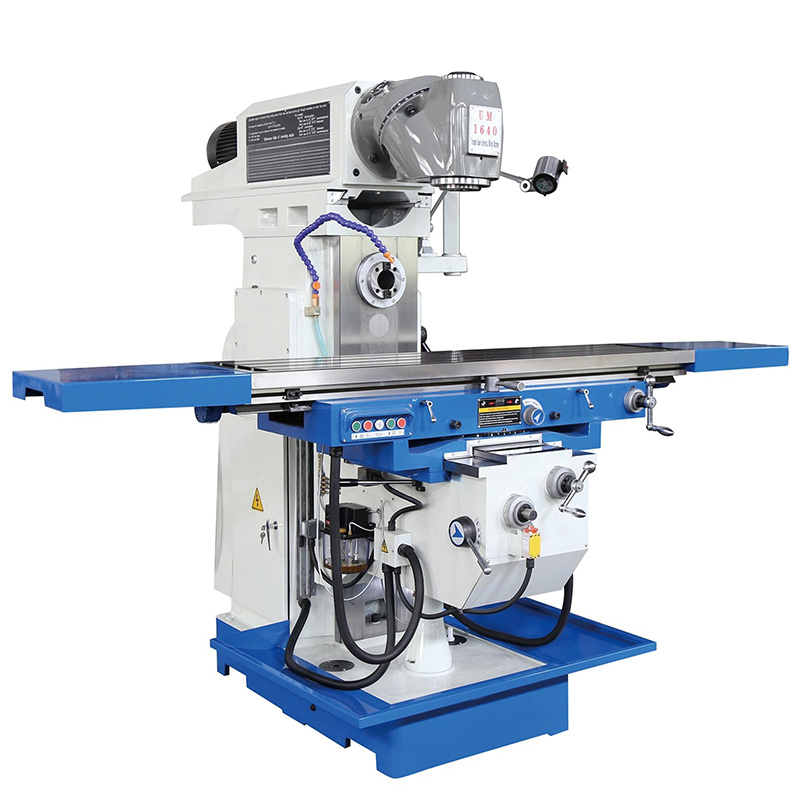
CNC systems automate tool movement, spindle speed, feed rate, and positioning. VMC equipment is especially suitable for milling, drilling, boring, and tapping on engine, transmission, bracket, and housing components.
In general mechanical equipment applications, these solutions support tighter tolerances, better surface finish, and shorter lead times. They also simplify process standardization across multiple part families.
Why are CNC and VMC machine solutions important for automotive parts manufacturing?
Automotive parts manufacturing requires high consistency. Components such as brake parts, steering parts, motor housings, and gearbox covers must meet demanding dimensional and functional requirements.
CNC and VMC machine solutions improve performance in several ways:
- Reduce human error through programmed machining paths
- Increase throughput with automated tool changes
- Maintain stable quality across large production batches
- Support complex geometries with multi-step precision operations
- Lower waste through optimized cutting parameters
These benefits directly affect cost, delivery reliability, and product performance. In a competitive supply environment, efficient CNC and VMC machine solutions become a strategic advantage.
How should implementation start on the shop floor?
Implementation should begin with part analysis. Review material type, tolerance level, hole patterns, surface finish targets, and expected batch size before selecting machining routes.
Next, map each operation. Identify where turning, milling, drilling, tapping, and finishing should happen. Then decide whether one VMC setup or several CNC stations will give the best balance.
Tooling strategy matters early. Precision cutting tools, fixture rigidity, coolant delivery, and chip evacuation strongly influence automotive parts manufacturing quality and productivity.
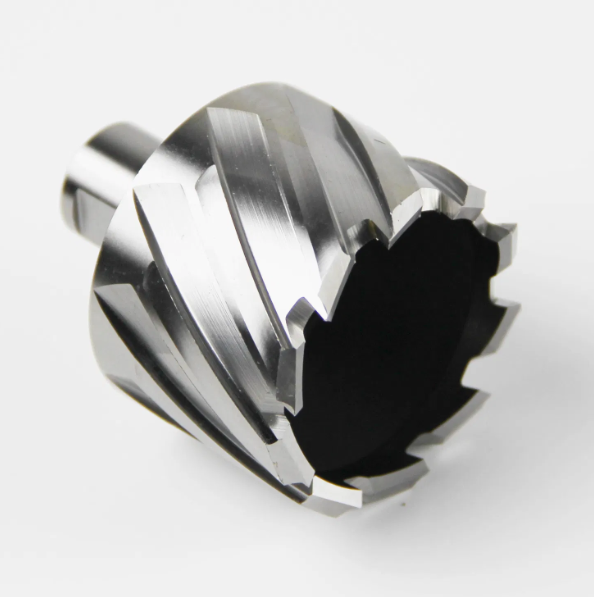
For supporting drilling operations in industrial applications, compact equipment such as VDD40 can complement broader machining workflows. Its 1500W power and strong magnetic holding force fit demanding workshop tasks.
Recommended implementation sequence
- Audit current part drawings, tolerances, and bottlenecks
- Select suitable CNC and VMC machine solutions by process type
- Design fixtures for repeatable clamping and fast loading
- Set cutting parameters through trial validation
- Build quality checkpoints with in-process inspection
- Connect machine data for production monitoring
How do you choose the right CNC and VMC machine solutions?
Selection depends on part complexity, material hardness, required spindle speed, table size, axis travel, automation level, and expected annual volume. There is no single ideal configuration for every automotive part.
Focus on these decision factors:
A reliable supplier should also provide application support, training, maintenance guidance, and integration advice. Shandong VEDON Intelligent Equipment Co., Ltd. emphasizes innovation, quality, and reliability in machine tools and intelligent manufacturing solutions.
What common mistakes should be avoided during implementation?
One common mistake is choosing machines by price alone. Low initial cost can lead to unstable machining, higher downtime, and poor compatibility with future automotive parts manufacturing demands.
Another issue is weak fixture design. Even strong CNC and VMC machine solutions cannot deliver precision if workpieces shift or vibrate during cutting.
Programming errors also create hidden losses. Unoptimized tool paths may increase cycle time, accelerate wear, and cause poor surface quality. Simulation and first-piece verification are necessary.
Some operations still need specialized drilling support. In those cases, models from the same series as VDD40, including VDD50, VDD60, and VDD80, may fit related industrial tasks depending on drilling diameter needs.
How can manufacturers improve ROI, quality, and production stability?
Return on investment improves when CNC and VMC machine solutions are measured with clear production indicators. Track cycle time, tool life, rejection rate, machine uptime, and labor efficiency.
Quality stability depends on a closed-loop approach:
- Use standardized programs and setup sheets
- Calibrate machines on a regular schedule
- Apply preventive maintenance routines
- Monitor spindle load and dimensional drift
- Train operators in process discipline and inspection
Digital monitoring adds another layer of value. Intelligent manufacturing systems can collect machining data, reveal bottlenecks, and support faster decisions for automotive parts manufacturing improvement.
FAQ summary table: what should be checked before deployment?
Successful CNC and VMC machine solutions in automotive parts manufacturing depend on correct planning, machine selection, tooling control, and data-driven optimization. Strong execution improves quality, cost control, and delivery performance.
The next practical step is to evaluate current parts, identify machining bottlenecks, and match them with scalable CNC and VMC machine solutions. With the right equipment and technical support, production efficiency can advance with confidence.

Vedon
Typically replies within minutes
Any questions related to Home?

William / CEO / Brand Founder

Jaye / Sales Director